

Lizard — Teju
Cut notes
The flatter, more uniform lizard presentation with disciplined rectangular rows and a refined dress-western look.
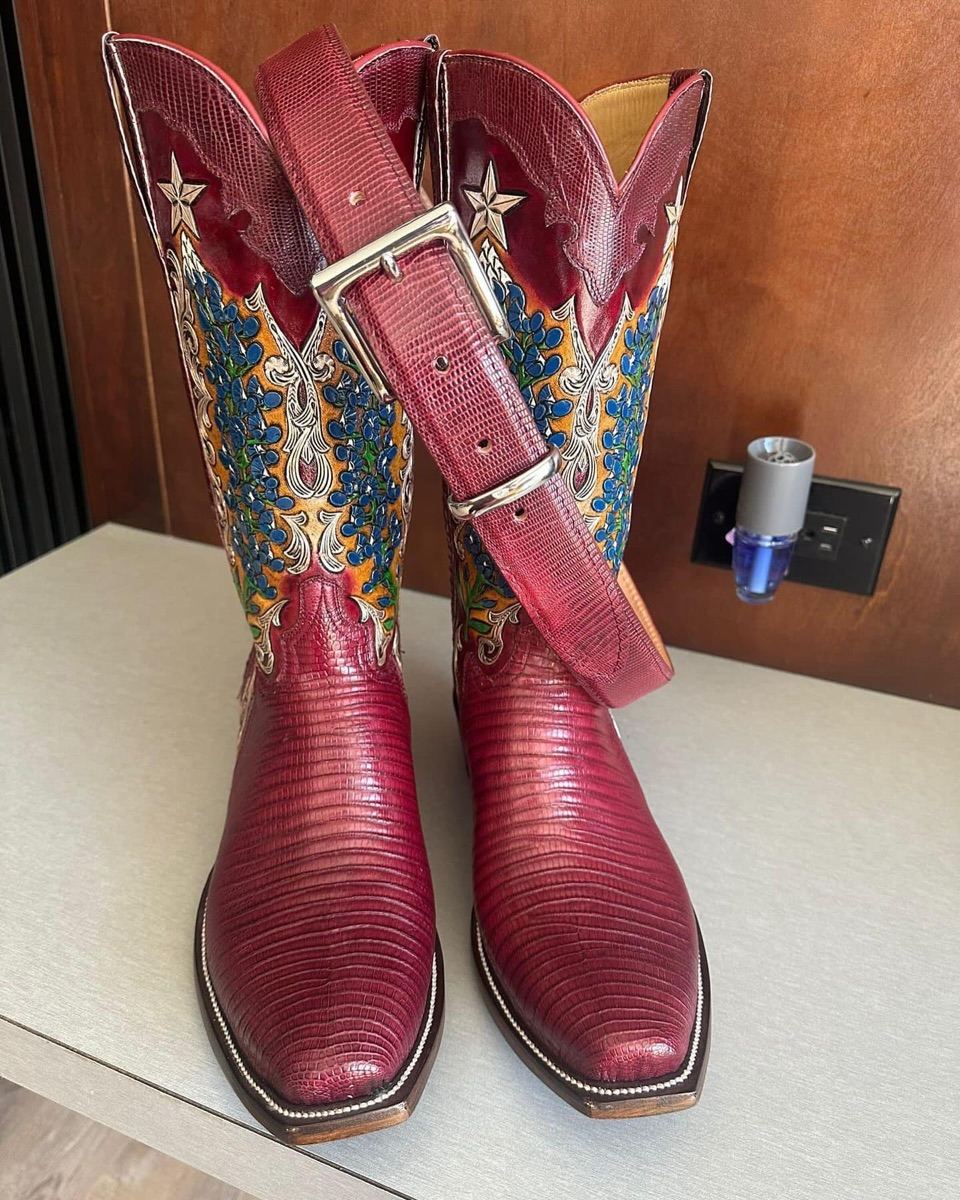
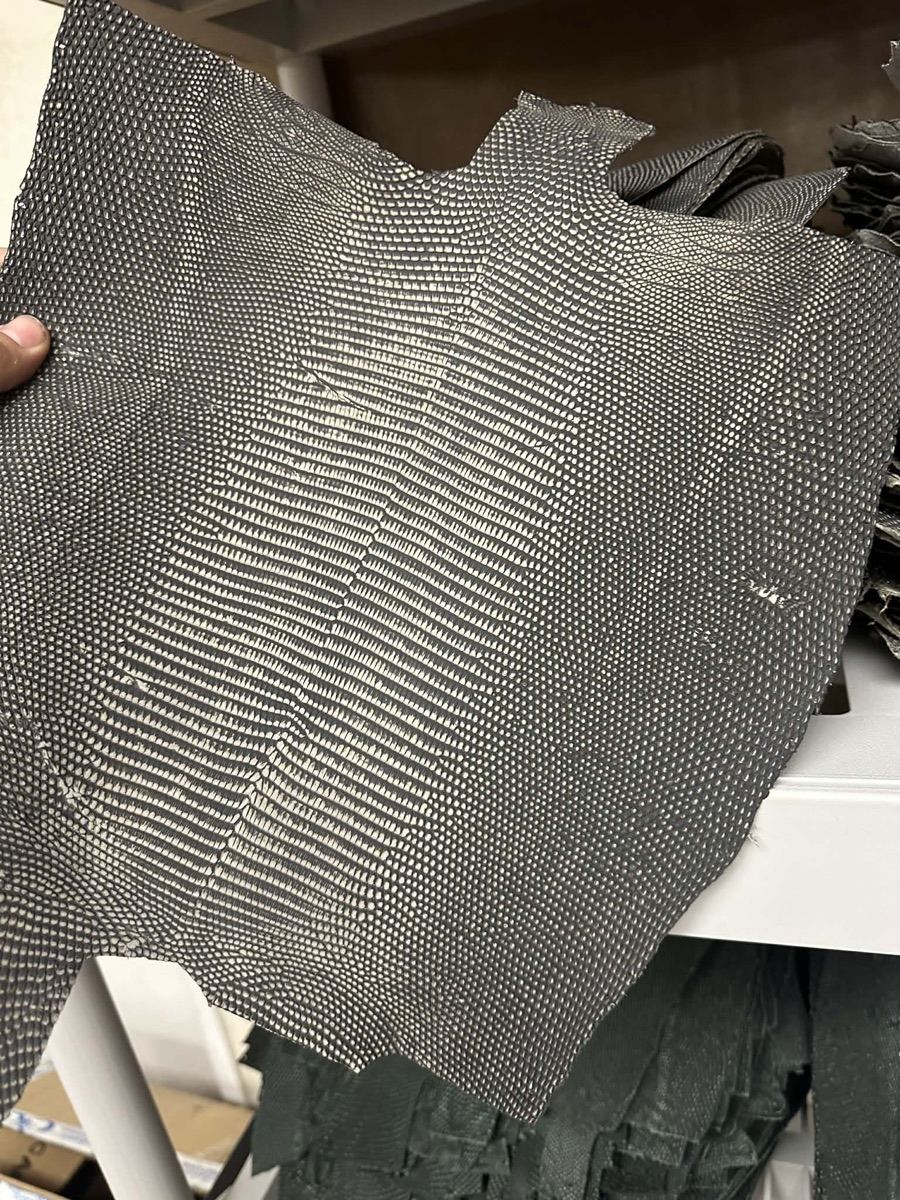
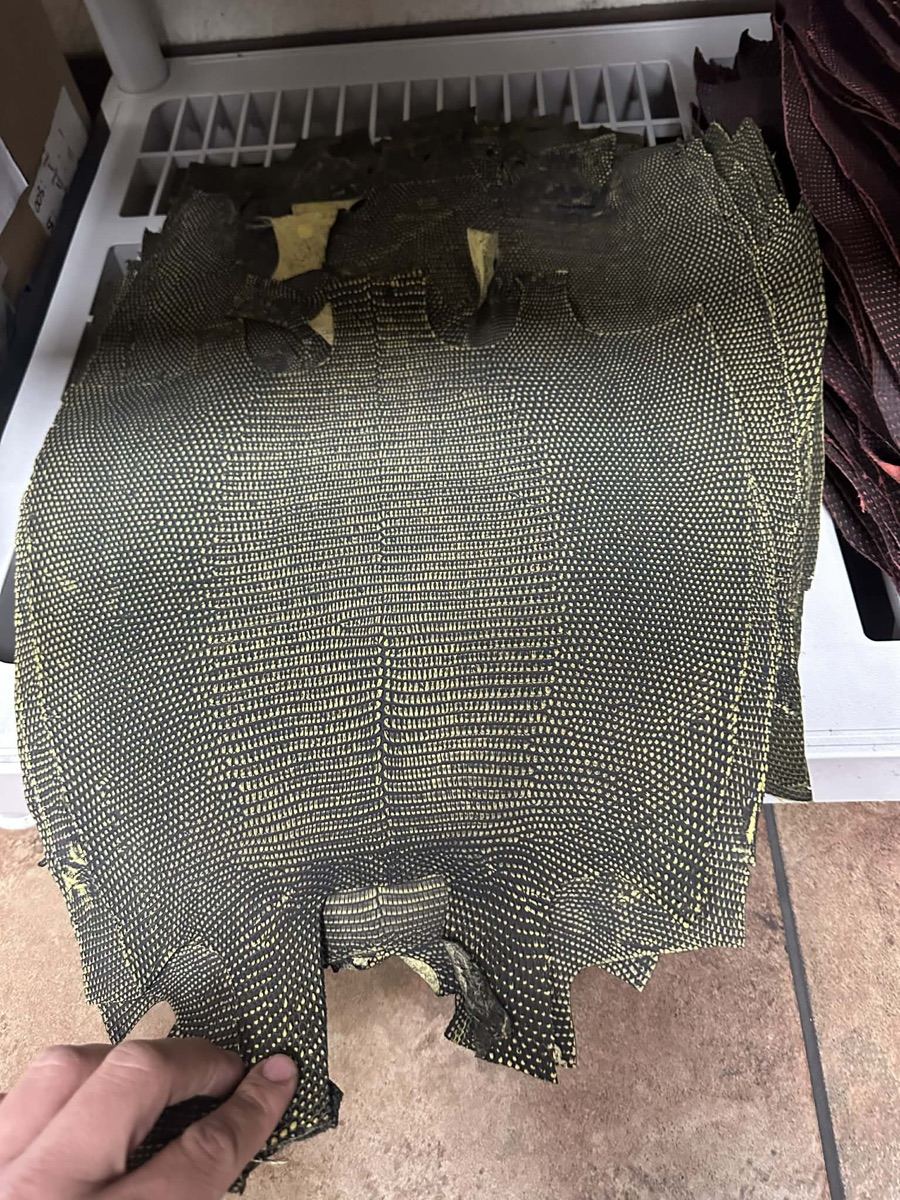
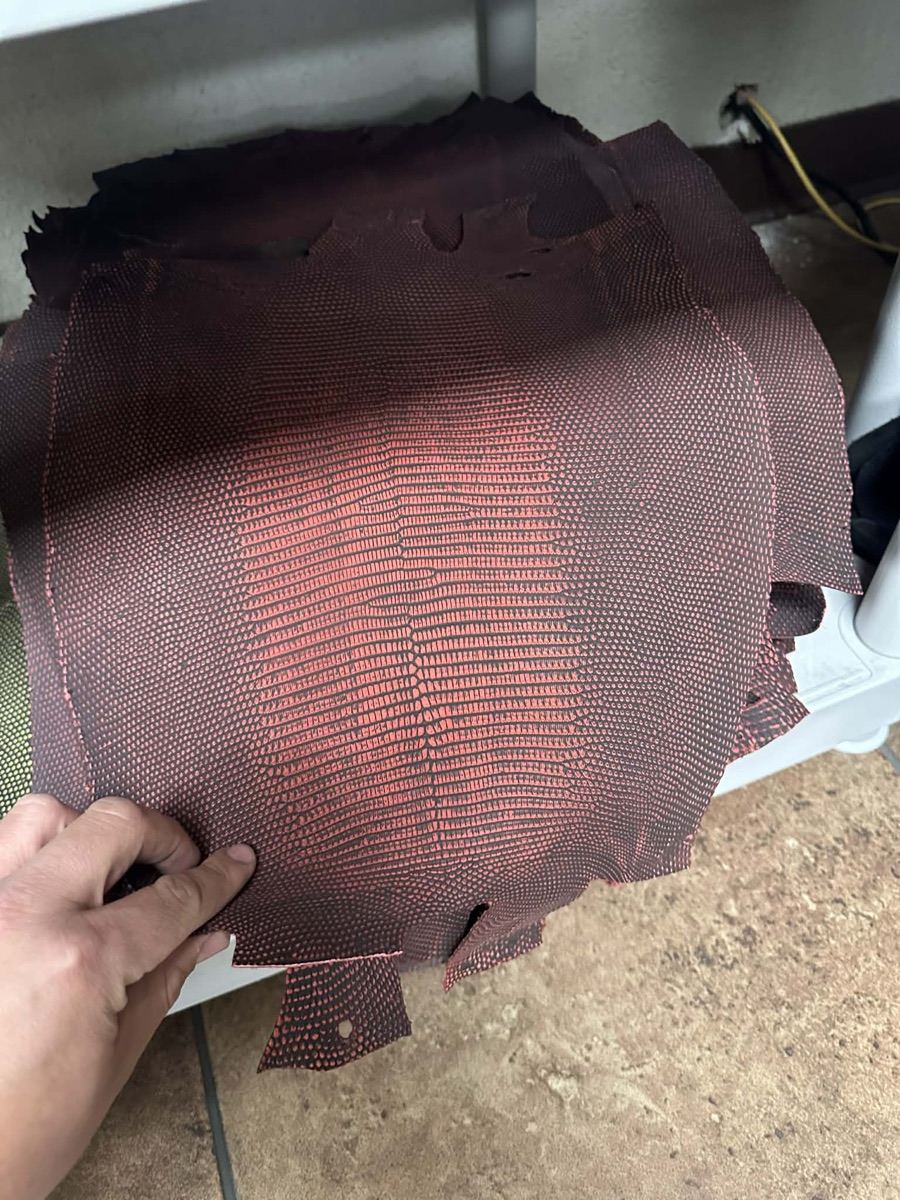
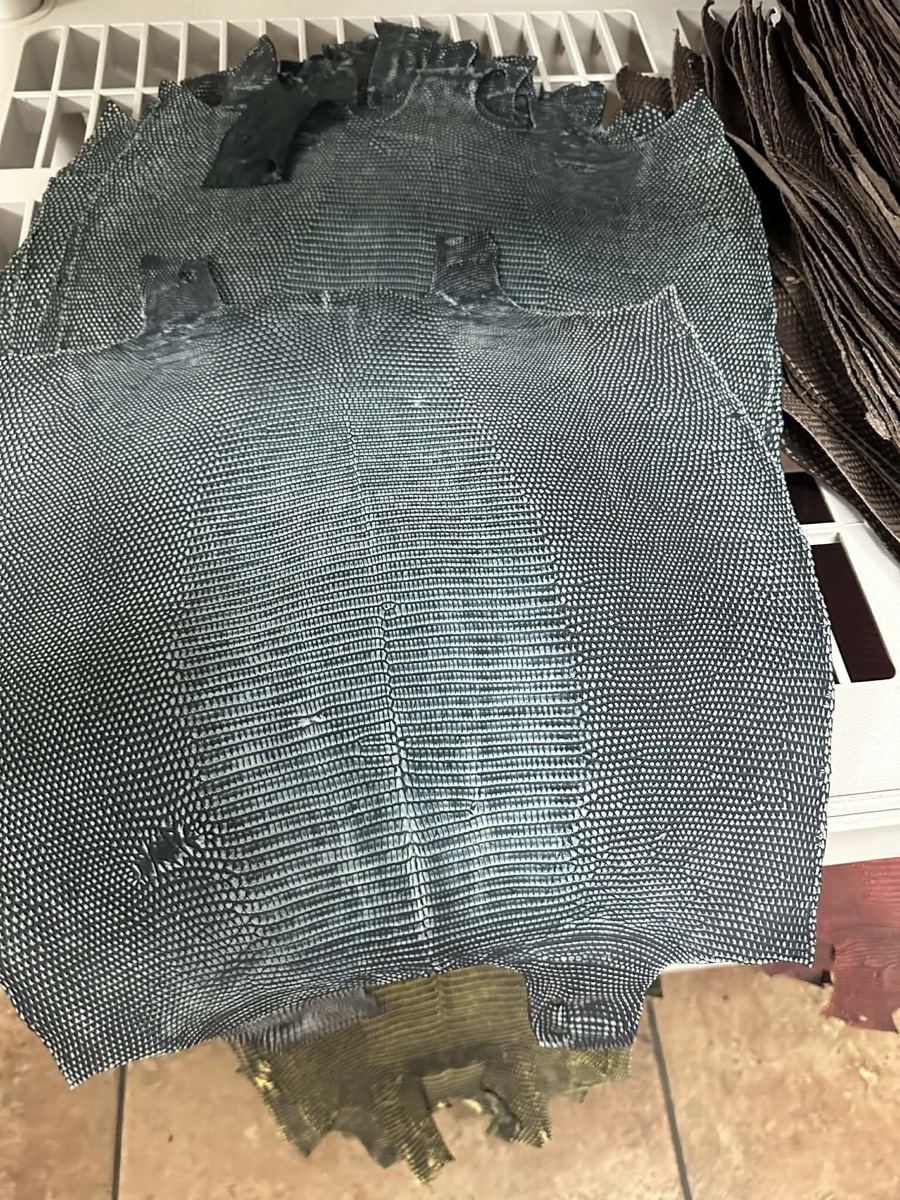
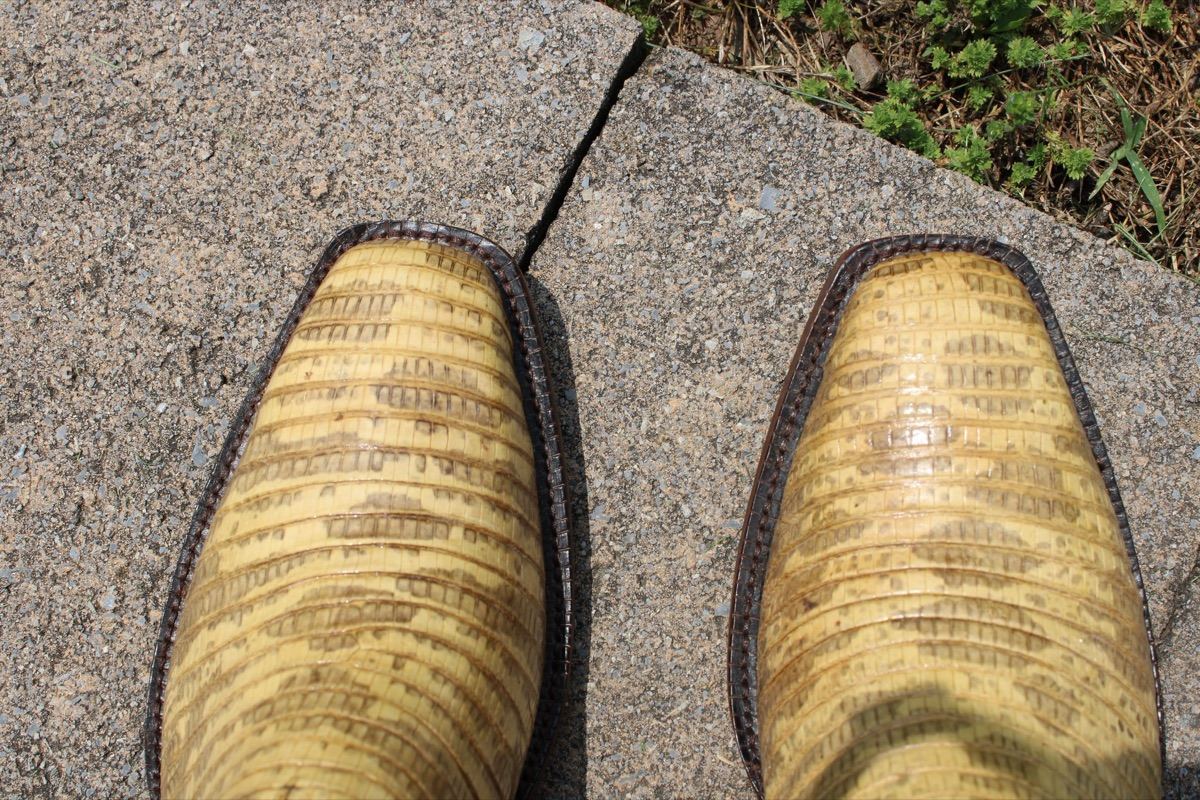
Teju lizard is one of the most widely used reptile leathers in cowboy boot making. Sourced primarily from the Argentine black and white tegu (Salvator merianae), this leather is prized for its distinctive, uniform tile pattern and its excellent durability relative to its lightweight feel. Teju lizard boots became a staple of western fashion beginning in the mid-20th century and remain one of the most affordable exotic options available today.
The leather is typically thin and supple, making it comfortable to wear from the first day. Because it is relatively easy to source and work with, teju lizard is offered by virtually every major boot maker. It takes dye exceptionally well, which means you will find it in a broad spectrum of colors beyond the natural black, brown, and cream tones.
History
The Argentine black and white tegu (Salvator merianae, historically classified as Tupinambis merianae) emerged as the dominant lizard leather for western boots beginning in the late 1950s and consolidating through the 1960s. Before tegu became the volume leader, earlier lizard leathers used in boots often came from monitor species across Africa and Southeast Asia. The shift to Argentine tegu standardized what "lizard boots" meant in the western retail market — a single, well-managed source producing consistent, workable hide at scale.
Argentina developed wild harvest quota programs that made tegu one of the most reliably legal and traceable exotic leathers in the western boot trade, and a model that other countries later attempted to follow with their own species. CITES Appendix II listing brought international oversight to the trade, but the Argentine quota system had already established a sustainable framework that made compliance relatively straightforward. Annual harvest quotas have kept commercial tegu populations stable for decades, which is a genuine exception in the history of exotic leather sourcing.
Because tegu is thin, supple, and takes dye exceptionally well, it became the default exotic for boot makers looking to offer color variety. A teju lizard boot in turquoise, burgundy, or bone white became a western retail staple by the 1970s and 1980s, sitting at the price tier just above cowhide and giving buyers their first entry point into reptile leather. That democratizing role mirrors what caiman did for the crocodilian market — teju made exotic accessible and brought a much broader audience into the category.
What Collectors Look For
Great teju has discipline. The rows of scales should look tidy, evenly centered, and refined instead of busy or coarse. Because teju is thin, collectors also scrutinize condition more closely than they do on heavier leathers. A beautiful vintage pair can look elegant and sharp, but once the scale edges start lifting or curling, the appeal drops fast.
How to Identify
Teju lizard leather is recognized by its small, uniform, rectangular tile-like scales arranged in neat rows. The tiles are relatively flat and consistent in size across the vamp. The grain has a slight natural sheen. Run your finger across the surface and you will feel a smooth, almost polished texture with subtle edges where the scale rows meet.
Teju Lizard
- Small rectangular tiles in uniform rows
- Flat, consistent scale size
- Lightweight and thin
- Takes dye evenly across the whole field
Hornback Lizard
- Raised bony ridge down center back
- Scales vary in size dramatically
- Thicker and more textured
- Ridge centering is the primary quality marker
Real vs. Print
Genuine teju lizard scales have slight natural variation in size and subtle depth between rows. When you look closely, each tile has fine interior texture. Printed or embossed leather, by contrast, will have perfectly uniform, machine-stamped patterns that repeat without variation. The edges of real scales catch light differently at each angle, while prints appear flat and consistent under light. Genuine teju also has a distinctive lightweight, papery feel compared to the heavier weight of embossed cowhide.
Care Tips
Teju lizard is a durable exotic but requires regular conditioning to prevent the scales from drying and curling at the edges. Use a reptile-specific leather conditioner every 2-3 months. Avoid silicone-based products that can dull the natural sheen. Store boots with cedar shoe trees to maintain shape, and keep them away from direct heat sources that can cause the thin leather to crack.