

Western Boot World reference
Suede
Reference photos
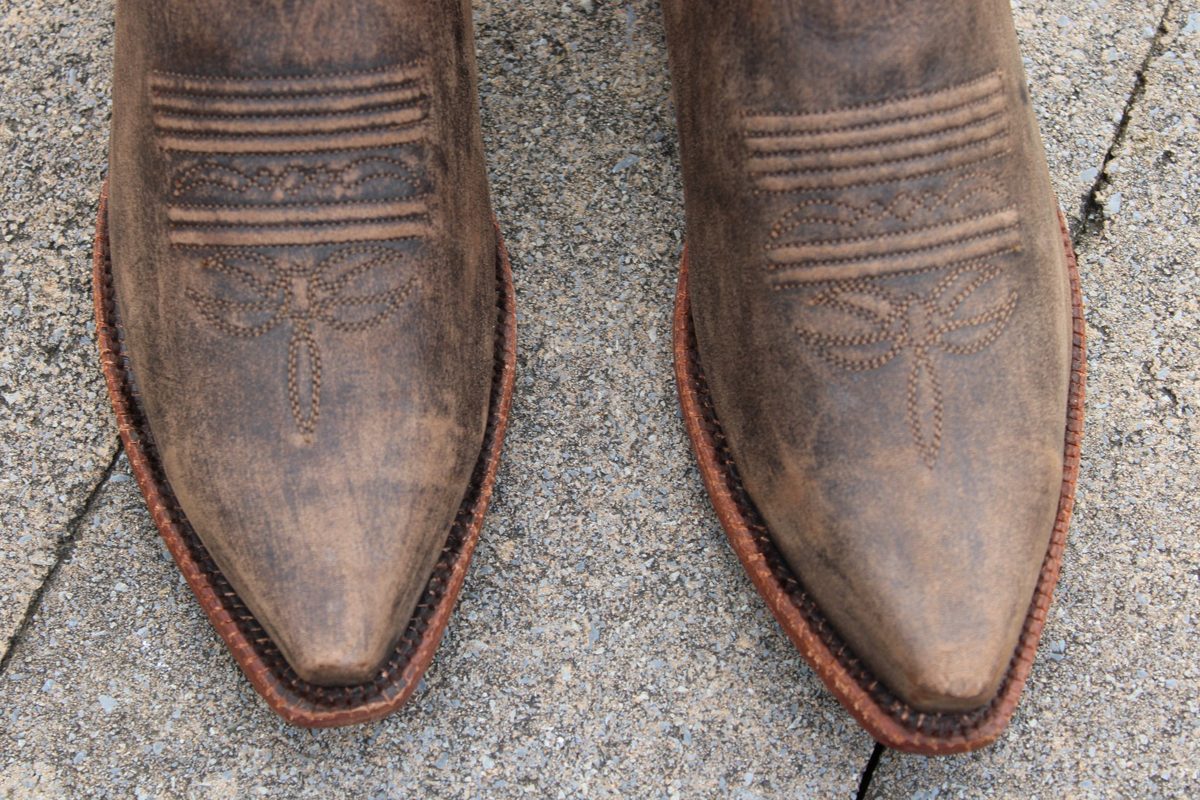
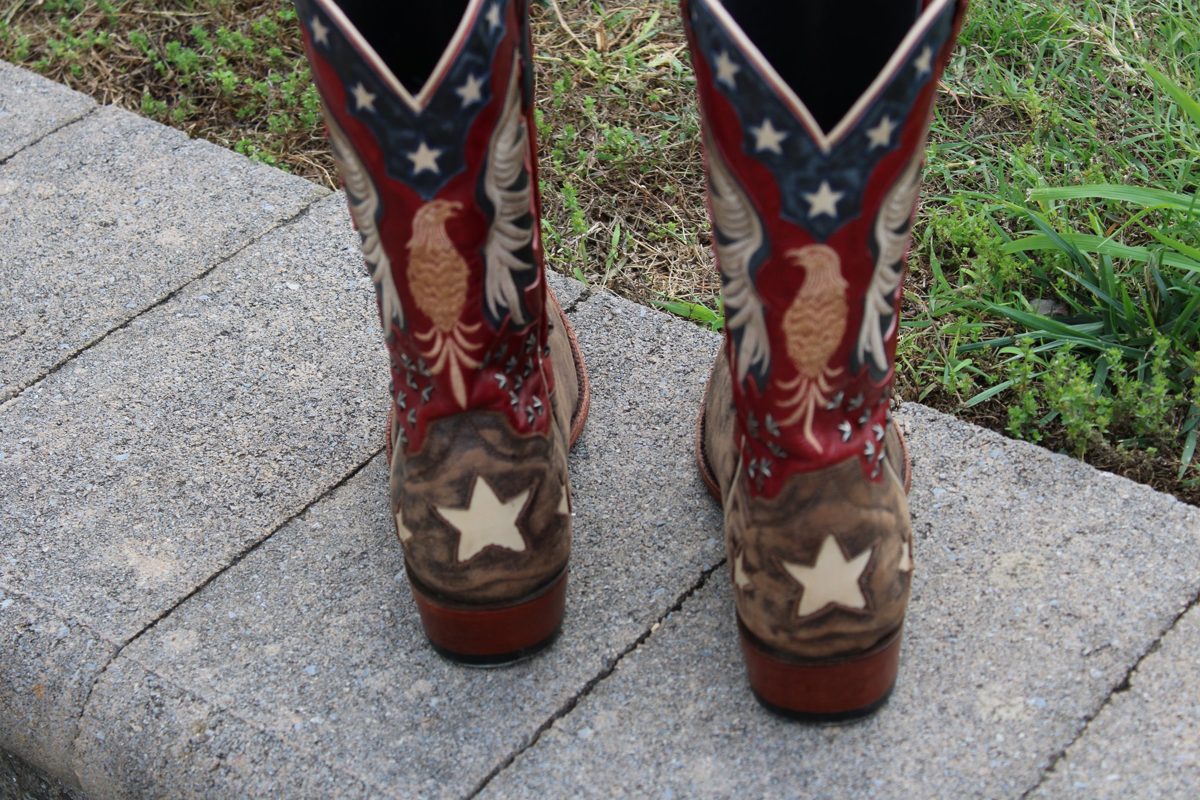
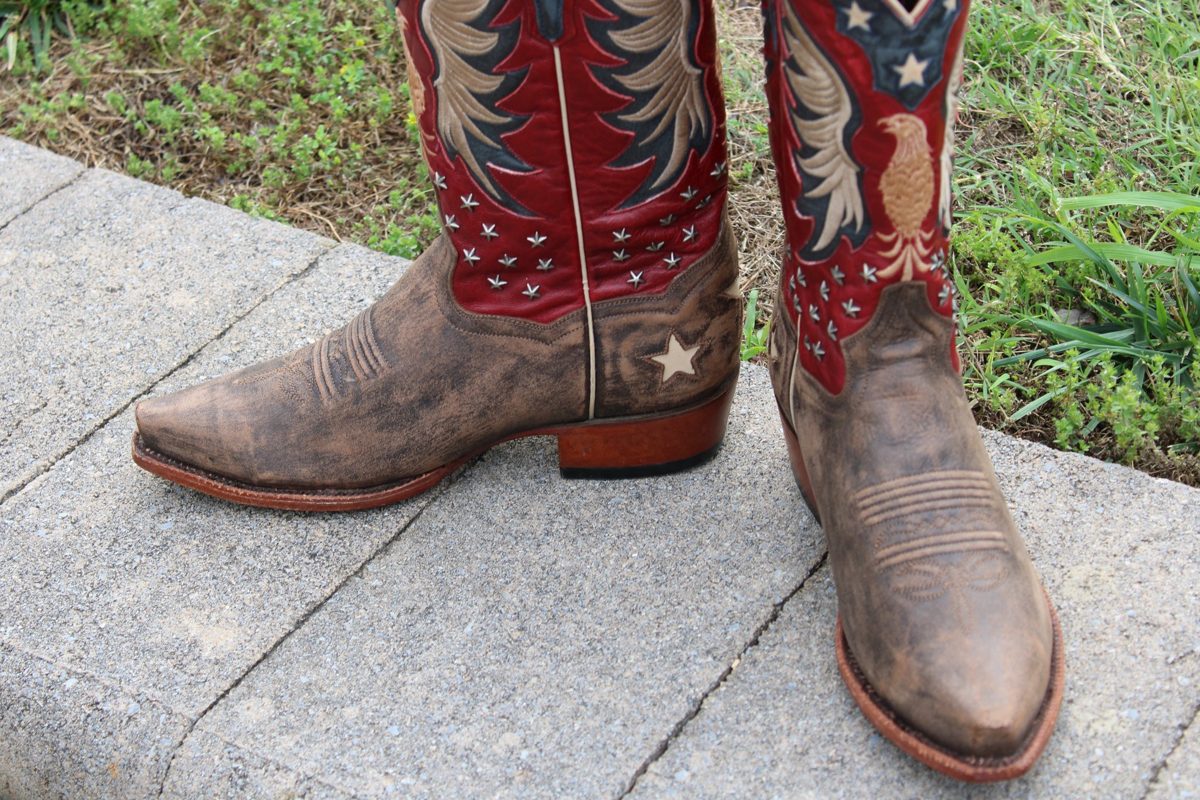
Pattern
Leather with a soft, brushed nap. Most suede is cut from the inner split of the hide, so it is thinner and softer than full-grain leather. Common on fashion and dress boots, shafts, and inlay or overlay work.
Also known as
split suede · brushed leather
Collector notes
Suede is about look, not durability. Collectors value strong colors, inlay and overlay work, and clean examples, because worn suede is hard to restore. Judge color evenness and the nap at the toe and heel before anything else.
Quick identification checks
- Short, even nap that changes color when brushed one way and the other.
- Thinner and softer than roughout.
- Look for color fading on one side, which is common on displayed pairs.
Check in hand
- Suede feels soft and drapes. Roughout feels stiff and thick.
- Microsuede and other synthetics feel uniform and often show a fabric backing at the edges.
- Bald spots feel smooth and slick compared with the surrounding nap.
Common mix-ups
- Roughout: Roughout is full-thickness cowhide worn flesh side out. It is thicker, coarser and tougher.
- Nubuck: Nubuck is sanded grain-side leather with a finer, velvety nap.
- Synthetic microsuede: Looks too even and does not change color much when brushed.
Buyer notes
- Ask for photos in daylight. Suede color shifts a lot under indoor light.
- Water spots and oil stains are the hardest flaws to fix.
- Inlay and overlay boots often mix suede with smooth leather. Name both in the listing.
Care notes
Treat with a napped-leather protector before first wear. Brush when dry with a suede brush; a suede eraser lifts small marks. Let wet suede dry naturally and brush it once it is dry. Avoid oils, creams and wax polish.
Watch for
- Water spots and salt lines
- Oil or grease stains that do not lift
- Nap worn bald at the toe, heel and pull straps
- Fading on the side that faced the light in storage
Suede in Western boots
Suede is leather with a brushed nap. Most boot suede is cut from the inner split of the hide, which makes it thinner and softer than full-grain leather and much more delicate than roughout. Western makers use it for fashion and dress boots, colored shafts, and inlay and overlay work, where its strong color and matte face contrast with smooth leather.
What wears out
Suede marks easily. Water leaves spots and salt lines, oil and grease soak in, and the nap wears bald at the toe, the heel and the pull straps. Color also fades on whichever side faced the light. Clean examples of strongly colored suede boots are harder to find than the boots themselves.
Care
Protect new suede with a repellent for napped leather before wearing it. Brush it only when dry, use a suede eraser on small marks, and let wet suede dry naturally before brushing the nap back up. Do not use oils, creams or wax polish.