CowboyBootsDB reference collection
Zebra
Reference photos
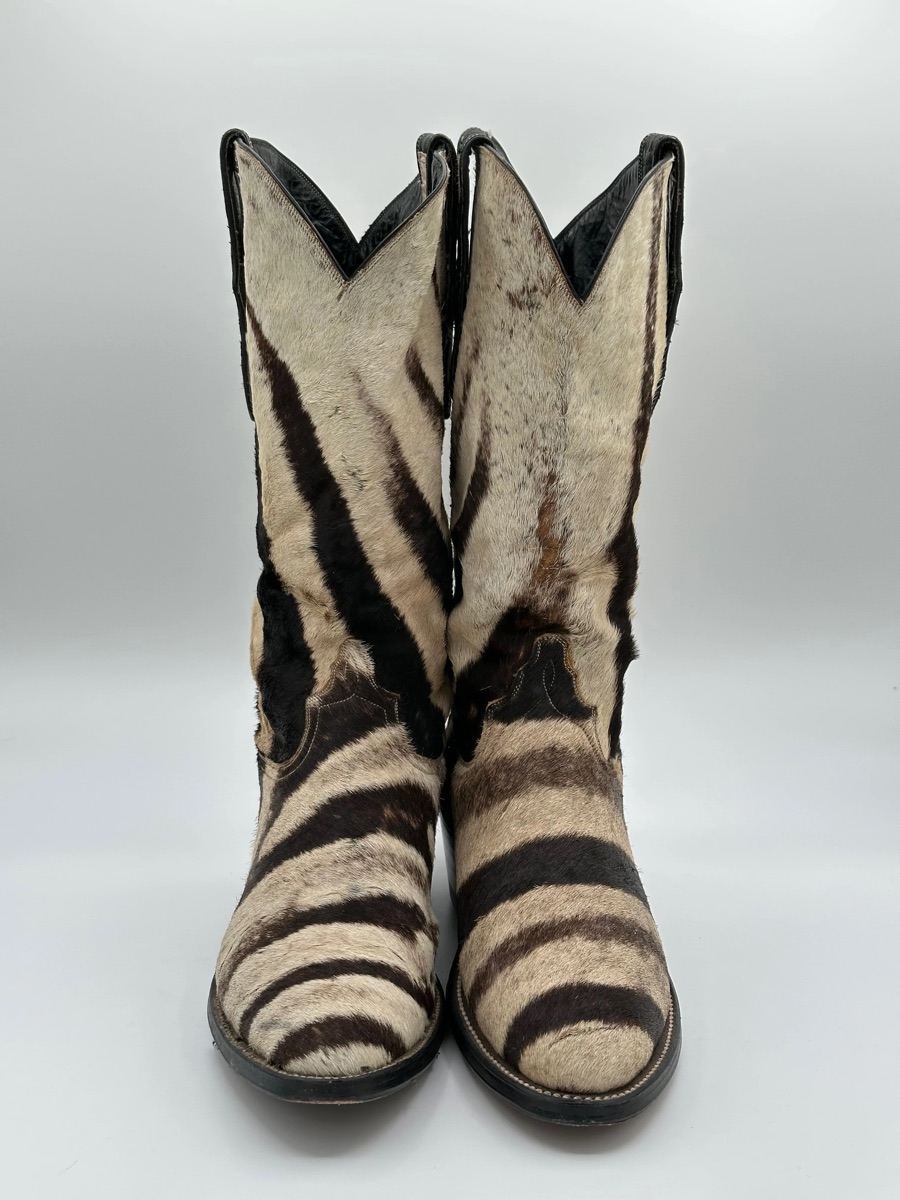
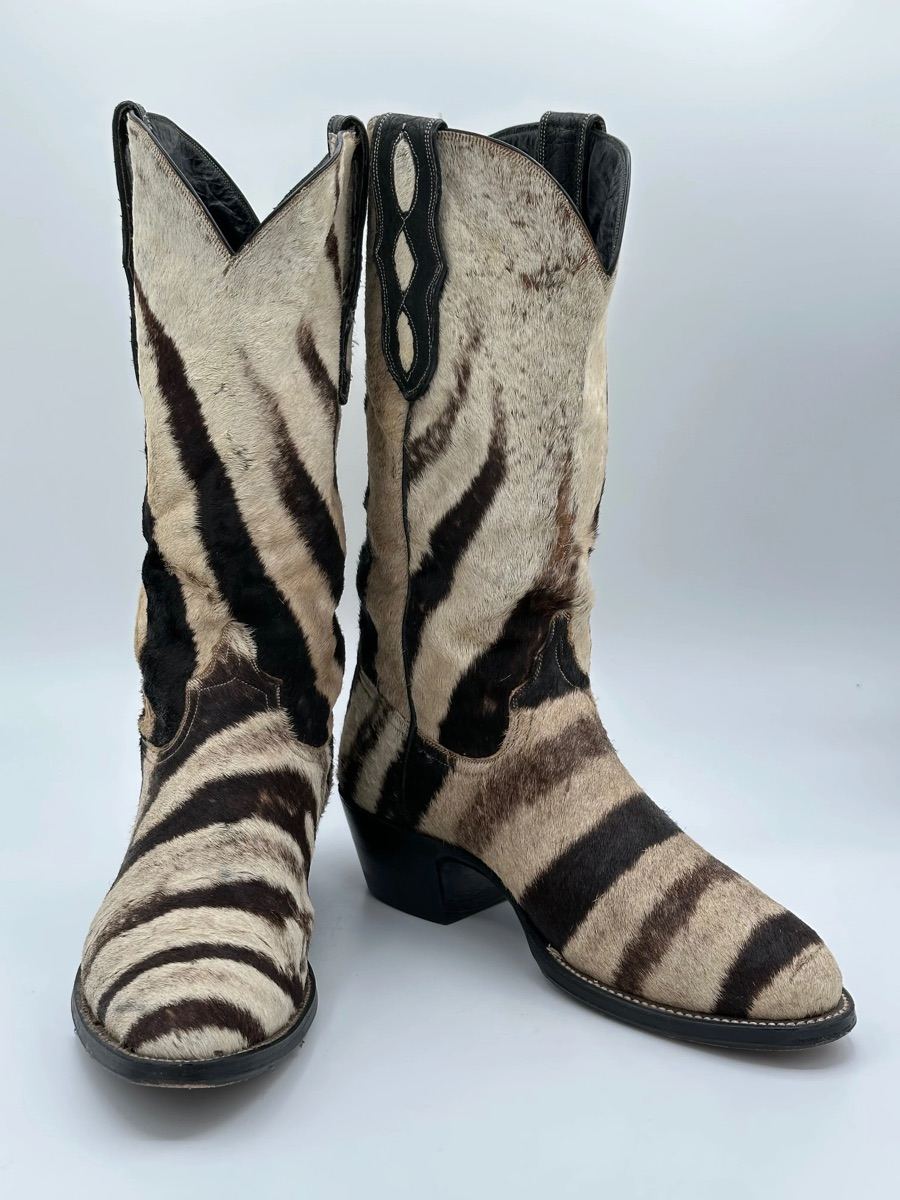
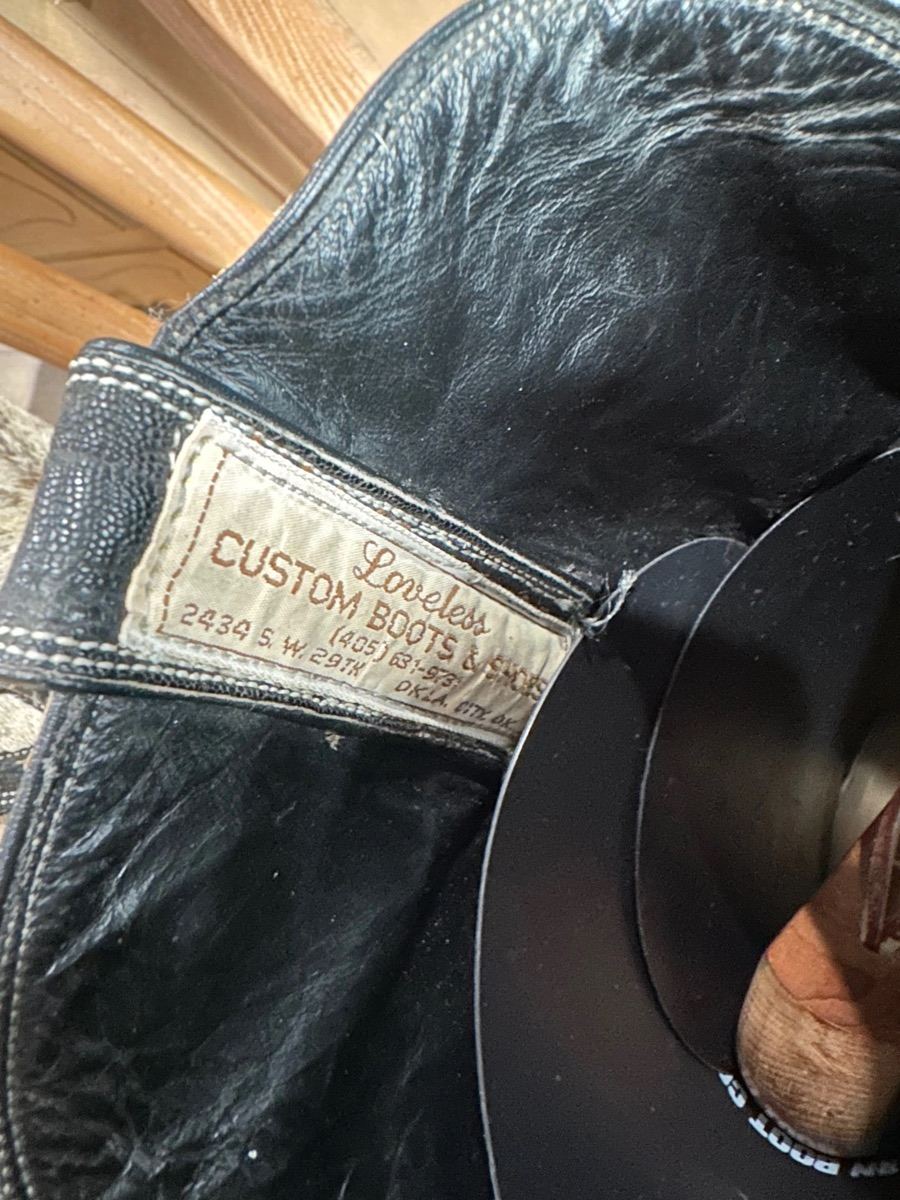
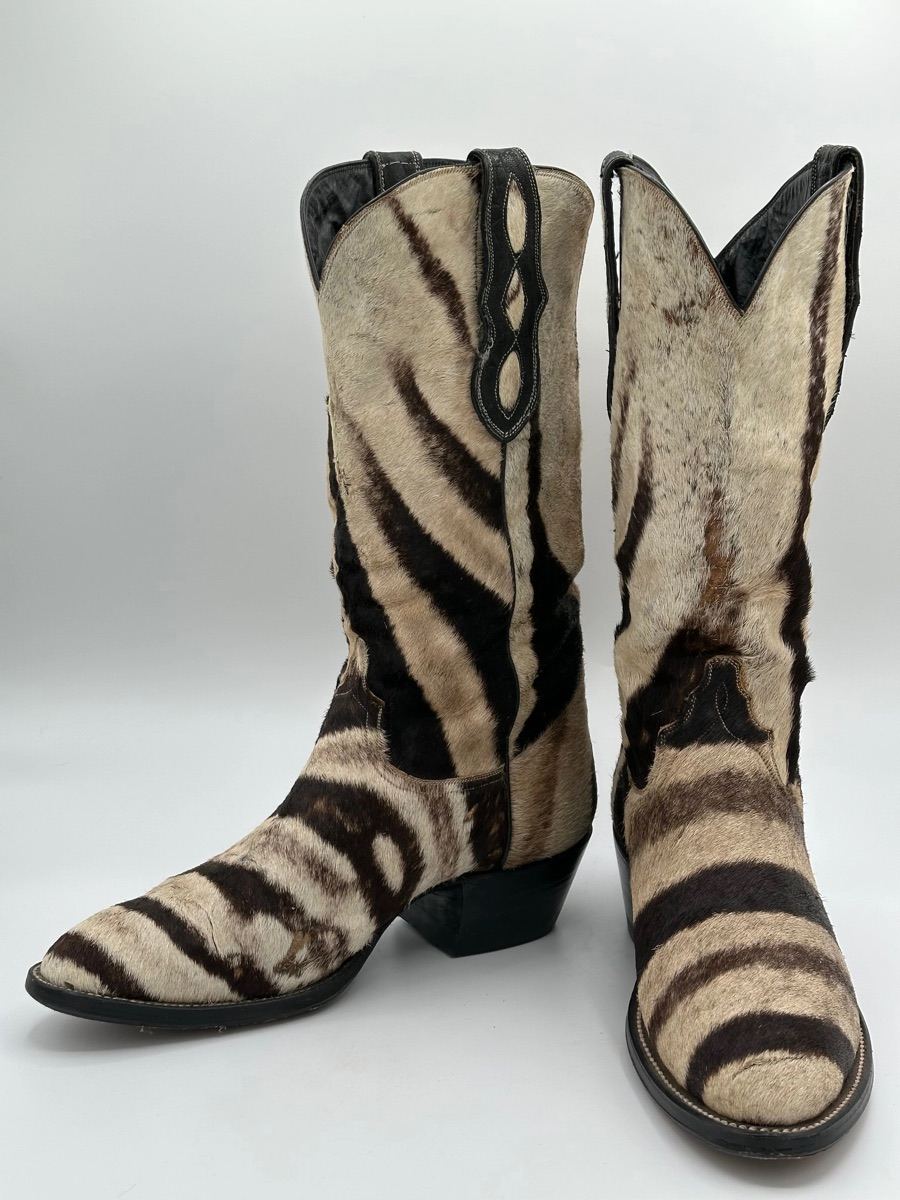
Pattern
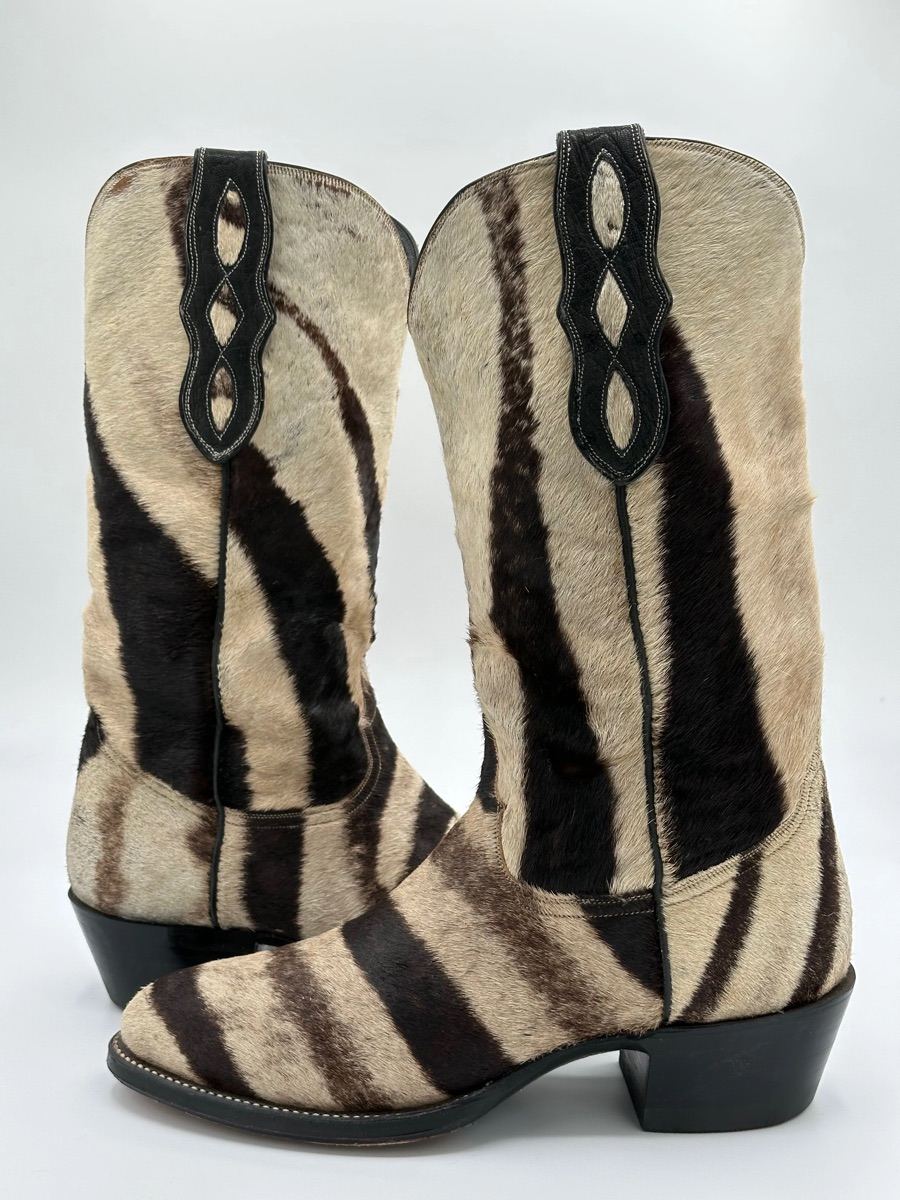
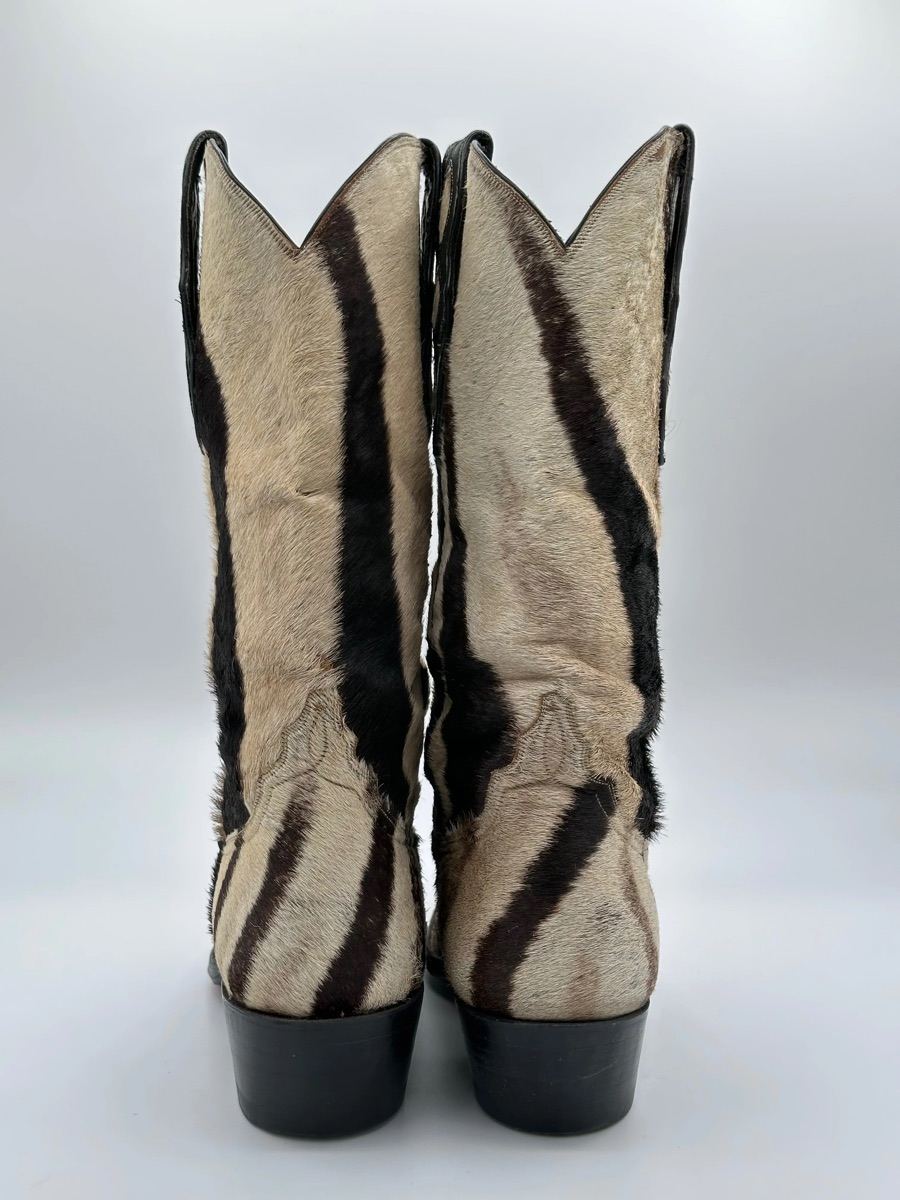
A boldly striped exotic mammal hide with strong contrast, organic stripe flow, and a visual identity that depends on honest vamp photography more than on subtle grain cues.
Also known as
Zebra
Scientific name
Equus quagga
Family / genus
Equidae · Equus
Collector notes
Zebra is a high-contrast exotic mammal hide where the collector challenge is separating real hair-on or convincingly finished zebra leather from novelty print treatments and low-information seller language.
Quick identification checks
- Start with the vamp. Zebra should read immediately as a striped exotic, not as generic print-on-cowhide.
- Look for natural stripe variation and flow rather than perfectly repeated striping.
- Good zebra examples still need vamp-first photos because shafts and side shots can hide whether the material is real or just decorative.
Check in hand
- Real zebra should feel like an animal hide with real surface variation, not a flat printed leather panel.
- Stripe edges should look organic rather than mechanically repeated.
- Watch for heavy finish or wear that obscures the natural contrast and makes the hide look artificial.
Common mix-ups
- Prints: Print zebra usually repeats too neatly and lacks the natural stripe irregularity of a real hide.
- Cowhide: Decorative striped bovine can mimic the look in weak photos, especially when the listing never gives a close vamp shot.
- Antelope: Both are exotic mammal hides, but antelope reads refined and subtle while zebra is bold and graphic.
Buyer notes
- Ask for clear vamp photos before accepting the species call.
- Do not pay zebra money for pairs that only show the shaft or side profile.
- Natural stripe flow and believable hide character matter more than dramatic color contrast alone.
Maker history
Seen more in collector, custom, and novelty-exotic western boots than in broad mainstream production catalogs.
Era notes
Mostly relevant as a collector-market and specialty exotic rather than a staple production skin.
Care notes
Use light care, avoid heavy finish buildup, and keep the vamp clean so the contrast and natural surface character stay readable.
Watch for
- Printed zebra pattern sold as real hide
- Weak photos that only show the shaft and hide the vamp
- Heavy finish making the hide look artificial
Read the original CowboyBootsDB article
Zebra is one of the more visually dramatic mammal exotics in western boots, which makes it easy to notice and surprisingly easy to misread. The stripes do a lot of the selling work in a listing, so weak photos can make a decorative treatment look more convincing than it really is. A good zebra page has to stay grounded in vamp-first identification, because that is where the natural stripe flow and hide character actually show themselves.
That same visual drama is why zebra needs disciplined curation. Some pairs are genuinely striking and clearly exotic. Others lean on novelty more than on material quality. Real zebra should still read like leather with natural variation, not like wallpaper printed onto a cowhide panel. The closer the camera gets to the vamp, the easier that call becomes.
History
Plains zebra (Equus quagga) is the commercial source for virtually all zebra leather in the market, harvested primarily in southern Africa — Botswana, Namibia, Zimbabwe, and South Africa — through government-managed wildlife programs. CITES Appendix II covers plains zebra, meaning legal commercial trade requires documentation of country of origin and compliance with national quotas. Zebra leather is a legal material when properly sourced, which distinguishes it clearly from prohibited exotics like elephant and sea turtle. Responsible buyers should verify supply chain documentation rather than assuming compliance from the country of origin label alone.
Zebra hide entered the American western boot market primarily in the 1990s and 2000s, later than most other exotics. By that point, the mainstream exotic categories — ostrich, alligator, lizard — were well-established and widely understood by buyers. Zebra attracted a segment of the market that wanted something visually distinct from those categories, and the stripe pattern delivered instant recognition without requiring any prior knowledge of leather grades or tanning quality. That dynamic — visual impact first, material quality secondary — shaped the collector context for zebra from the beginning.
Unlike most exotic leathers, zebra's appeal is entirely visual rather than tactile. The hide itself is not particularly soft, fine-grained, or technically superior to cowhide. The entire value proposition is the stripe pattern. Some animal welfare organizations have raised concerns about commercial zebra harvest practices, which reinforces the importance of supply chain documentation. A pair with verified provenance stands on stronger ground than one with a label and no supporting paperwork.
What Collectors Look For
Strong zebra pairs show natural stripe flow across the vamp rather than perfectly repeated black-and-white banding. The pattern should feel organic, with slight shifts in width, spacing, and direction. Good examples also keep enough of the hide's natural surface character visible that the boot still reads like leather rather than like a graphic treatment.
Collectors also care about placement. Because zebra is so visually bold, poor placement or mismatched vamps stand out immediately. The best pairs present a coherent vamp field with stripes that feel intentional and believable from left boot to right boot. When the maker gets that right, zebra can look exceptional. When they do not, the pair starts to feel gimmicky very quickly.
How to Identify
Start with the vamp. Real zebra should show natural stripe variation and a surface that still behaves like hide. Even when the color contrast is strong, the material should not look perfectly printed or mechanically repeated. If the stripes read too uniform, too symmetrical, or too flat, slow down and question whether the pair is really zebra or simply a printed or embossed novelty treatment.
Comparison with prints is the main challenge. On a real pair, the stripe edges should have small natural irregularities and should follow the contours of the leather in a believable way. On a print, the pattern often sits on the surface too cleanly. Weak photos can hide that difference, which is exactly why close vamp shots matter more here than dramatic side views.
Real Zebra
- Stripe edges show small natural irregularities and organic flow
- Pattern follows the hide contours rather than sitting flat on the surface
- Slight variation in stripe width and spacing across the vamp
- Surface still reads as leather with natural character under the pattern
Printed Cowhide
- Stripe edges look too clean and mechanically even
- Pattern sits on the surface without following hide contours
- Stripes repeat with suspicious regularity and perfect symmetry
- Underlying surface reads as corrected bovine with no organic variation
Real vs. Print
Printed zebra usually gives itself away through repetition. The stripes may look bold, but they repeat too neatly, with edges that feel copied instead of grown. Real zebra should have a more organic stripe rhythm. Even if the contrast is high, the pattern should still feel natural rather than decorative.
The best reality check is to look for both pattern and hide character at the same time. A real zebra vamp should not just be striped — it should still look like a real exotic hide under the pattern. If all you can see is graphic contrast and none of the natural leather surface, treat the species claim carefully.
Care Tips
Zebra should be cared for lightly and consistently. Use a gentle conditioner only when the leather actually needs it, avoid heavy wax or thick polish, and keep dust from settling into the vamp where it can dull the contrast. The goal is to preserve the natural stripe definition and the honest surface character of the hide, not to coat it into looking artificial.